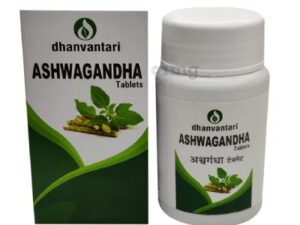
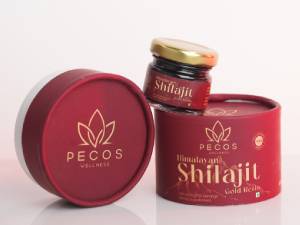
What Are Herbal Sugar Control Pills?
Herbal Sugar Control Pills are herbal wellness products marketed to support healthy blood glucose management and metabolic well-being.
These products may contain plant extracts, traditional botanical ingredients or combinations of herbs commonly associated with glucose metabolism.
Different manufacturers use different herbal formulations, so the composition, quality, dosage and potential effects can vary considerably.
Some herbal ingredients have been studied for possible effects on insulin sensitivity, carbohydrate digestion or glucose metabolism.
However, clinical evidence varies significantly between ingredients, and many herbal combinations have not been adequately evaluated in rigorous human trials.
A herbal product should not be described as clinically proven to control diabetes unless reliable evidence supports the exact formulation and intended claim.
Maintaining healthy blood glucose levels generally involves balanced nutrition, regular physical activity, appropriate body weight, prescribed treatment when needed and routine medical monitoring.
Herbal supplements may be considered only as an additional wellness product when appropriate and when a healthcare professional has reviewed their ingredients and potential interactions.
Important: Herbal Sugar Control Pills should not be advertised as a cure for type 1 diabetes, type 2 diabetes, prediabetes or any other metabolic disease.
Common Herbal Ingredients Used in Blood Sugar Support Products
The following are examples of botanicals found in some herbal glucose-support formulations. Their presence in this particular product has not been verified.
1. Gymnema Sylvestre (Gurmar)
Gymnema sylvestre is traditionally used in herbal formulations associated with glucose metabolism.
Some preliminary research has explored its potential effects on blood glucose regulation, but evidence remains insufficient to establish a reliable treatment benefit for diabetes.
2. Bitter Melon (Karela)
Bitter melon is a plant traditionally used in various dietary and herbal preparations.
Its compounds have been investigated for possible effects on glucose metabolism, although clinical findings are inconsistent.
3. Fenugreek (Methi)
Fenugreek seeds contain soluble fiber and other compounds that have been studied for their possible effects on post-meal blood glucose.
Study quality and results vary.
4. Indian Gooseberry (Amla)
Amla contains vitamin C and other plant compounds.
It is commonly included in traditional wellness formulations, but evidence does not establish it as a replacement for diabetes treatment.
5. Cinnamon
Certain cinnamon preparations have been investigated for potential metabolic effects.
Results are mixed, and different cinnamon species have different safety considerations.
6. Neem
Neem is used in some traditional herbal preparations.
Its effectiveness and safety for blood glucose management have not been adequately established, particularly for concentrated oral extracts.
7. Jamun (Java Plum)
Jamun seeds and extracts are used in some traditional formulations associated with blood sugar management.
Reliable clinical evidence for treating diabetes remains limited.
8. Other Botanical Ingredients
Some formulations may include additional herbs, minerals or plant extracts.
Their safety and effectiveness depend on the actual ingredient, concentration, manufacturing quality and clinical context.
Ingredient verification: Only include specific ingredients in your final WooCommerce product description if they appear on the actual product label.
How Might Herbal Sugar Control Supplements Work?
The effects depend entirely on the product’s verified ingredients.
1. Glucose Metabolism Support
Some botanical compounds are being investigated for their possible effects on glucose metabolism.
2. Insulin Sensitivity
Certain herbal ingredients have been studied for potential effects on insulin signaling, but clinical evidence is not consistent.
3. Carbohydrate Digestion
Some plant-derived compounds may influence carbohydrate digestion or absorption in experimental settings.
4. Antioxidant Activity
Many herbs contain antioxidant compounds, although antioxidant activity alone does not demonstrate improved diabetes outcomes.
5. Metabolic Wellness
Some herbal products are marketed for general metabolic support.
6. Dietary Wellness Support
A supplement may be incorporated into a broader wellness routine when appropriate.
Important: These are possible mechanisms investigated for individual botanicals, not proven mechanisms or outcomes for this unidentified product.
Intended Uses of Herbal Sugar Control Pills
1. General Blood Sugar Wellness
Some products are marketed to support healthy blood glucose levels already within the normal range.
2. Metabolic Wellness Support
Herbal formulations may be marketed for general metabolic health.
3. Nutritional Wellness Programs
A verified supplement may be included in a nutrition-focused wellness routine.
4. Healthy Lifestyle Support
Herbal supplements are sometimes used alongside balanced nutrition and regular physical activity.
5. Traditional Herbal Wellness
Some formulations draw on traditional botanical practices.
6. General Adult Wellness
Products may be marketed for adults seeking additional wellness support, subject to their verified ingredients and safety information.
Important: None of these intended uses should be interpreted as evidence that the product prevents, treats or reverses diabetes.
How to Take Herbal Sugar Control Pills
The correct dosage cannot be determined without the product label.
General Administration Instructions
- Read the ingredient list and directions on the packaging.
- Confirm the manufacturer’s recommended serving size.
- Check for allergies or ingredient sensitivities.
- Consult a healthcare professional before use if you have diabetes.
- Inform your clinician about insulin or other glucose-lowering medicines.
- Take the product only according to verified label directions.
- Do not exceed the recommended serving size.
- Avoid combining multiple glucose-support supplements without medical advice.
- Continue prescribed diabetes treatment unless your clinician changes it.
- Monitor blood glucose as recommended.
- Stop use and seek medical advice if concerning adverse effects occur.
- Store the product according to the label.
How Long Do Herbal Sugar Control Pills Take to Work?
There is no reliable universal onset of action for herbal sugar-control supplements.
The effects, if any, depend on the formulation, ingredient concentrations, individual health status and quality of clinical evidence.
A product’s effectiveness cannot be determined from its name alone.
Important: Do not use subjective feelings or supplement marketing claims to assess blood glucose control. Use appropriate blood glucose measurements and medical guidance.
Possible Side Effects
Depending on the ingredients, herbal supplements may cause:
- Nausea
- Abdominal Discomfort
- Diarrhea
- Constipation
- Bloating
- Headache
- Dizziness
- Allergic Reactions
- Changes in Blood Glucose
- Medication Interactions
These are general possibilities and not verified adverse reactions for this particular formulation.
Serious Safety Concerns
1. Hypoglycemia
Some herbal ingredients may enhance the effects of glucose-lowering medicines and increase the risk of low blood sugar.
Symptoms may include sweating, shakiness, confusion, weakness and palpitations.
Severe hypoglycemia can cause seizures or loss of consciousness.
2. Liver Injury
Certain concentrated herbal extracts and contaminated supplements may cause liver injury.
3. Kidney Problems
Some botanical products may be unsuitable for patients with kidney disease.
4. Allergic Reactions
Herbal ingredients may cause serious hypersensitivity reactions in susceptible individuals.
5. Undeclared Ingredients
Poorly regulated supplements may contain undeclared pharmaceutical substances or contaminants.
6. Delayed Diabetes Treatment
Relying on an unproven supplement instead of effective medical treatment can lead to uncontrolled blood glucose and serious complications.
Contraindications & Precautions
1. Diabetes
People with diabetes should consult their healthcare professional before using herbal glucose-support products.
2. Insulin Therapy
Potential additive glucose-lowering effects require particular caution.
3. Oral Diabetes Medicines
Interactions may occur with medications such as sulfonylureas and other glucose-lowering agents.
4. Hypoglycemia History
Patients prone to low blood glucose require careful assessment.
5. Liver Disease
Certain herbal extracts may be unsuitable for patients with liver disease.
6. Kidney Disease
Patients with impaired kidney function should avoid unverified herbal formulations without medical advice.
7. Pregnancy
Safety cannot be assumed without ingredient-specific evidence.
8. Breastfeeding
Use should be discussed with a healthcare professional.
9. Children
Do not administer an unidentified herbal formulation to children.
10. Allergies
Check all herbal and non-herbal ingredients.
11. Surgery
Some supplements may affect blood glucose or interact with perioperative medicines.
12. Multiple Supplements
Combining several herbal products can increase the risk of interactions or excessive exposure.
13. Product Quality
Choose products with clearly identified ingredients, manufacturer details and appropriate quality documentation.
14. Medical Monitoring
Depending on individual circumstances, healthcare professionals may monitor:
- Fasting Blood Glucose
- Post-Meal Blood Glucose
- HbA1c
- Symptoms of Hypoglycemia
- Medication Interactions
- Liver Function When Indicated
- Kidney Function When Indicated
- Supplement Tolerability
- Overall Metabolic Health
Potential Product Features
These features are suitable only where supported by the actual packaging.
- Herbal Formulation
- Oral Pill Format
- Botanical Ingredients
- General Wellness Support
- Metabolic Wellness Category
- Adult Supplement Format
- Traditional Herbal Ingredients
- Label-Directed Administration
Product Limitations
- Unverified Ingredient Composition
- Unconfirmed Dosage
- Limited Formulation-Specific Evidence
- Potential Drug Interactions
- Possible Hypoglycemia
- Potential Allergic Reactions
- Variable Product Quality
- Unknown Long-Term Safety
- Not a Diabetes Cure
- Not a Replacement for Prescribed Treatment
Frequently Asked Questions
1. What are Herbal Sugar Control Pills?
They are herbal supplements marketed for blood glucose or metabolic wellness support. Their actual composition varies by manufacturer.
2. Can Herbal Sugar Control Pills treat diabetes?
There is no verified evidence that this unidentified product treats diabetes.
3. Can these pills cure diabetes permanently?
No reliable evidence supports such a claim.
4. Are Herbal Sugar Control Pills natural?
They may contain botanical ingredients, but the actual composition must be checked on the packaging.
5. Are herbal sugar-control supplements safe?
Safety depends on the ingredients, dose, product quality and individual medical conditions.
6. Can people with type 2 diabetes use them?
They should consult a healthcare professional first, especially if taking diabetes medicines.
7. Can people with type 1 diabetes use them?
They must not replace insulin. Any supplement use requires medical review.
8. Can these supplements lower blood glucose?
Some individual botanicals have been studied for this possibility, but effects are uncertain and cannot be assumed for this product.