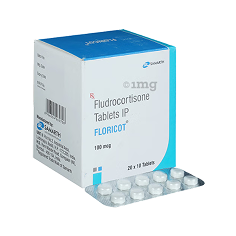
What Is Fludrocortisone 100 mcg?
Fludrocortisone 100 mcg Tablets contain fludrocortisone acetate, a synthetic corticosteroid with potent mineralocorticoid activity.
The medicine is primarily used to replace the effects of aldosterone, a hormone produced by the adrenal cortex.
Aldosterone plays an important role in maintaining sodium balance, potassium regulation, blood volume and blood pressure.
In primary adrenal insufficiency, the adrenal glands may produce inadequate amounts of both cortisol and aldosterone.
Insufficient aldosterone can cause excessive sodium loss through the kidneys, dehydration, low blood pressure and elevated potassium levels.
Fludrocortisone helps the kidneys retain sodium and water while increasing potassium excretion.
This supports circulating blood volume and blood pressure.
The medicine is commonly used alongside hydrocortisone in patients with Addison’s disease who require both glucocorticoid and mineralocorticoid replacement.
Fludrocortisone may also be prescribed for salt-wasting forms of congenital adrenal hyperplasia.
In selected patients, specialists prescribe fludrocortisone off-label for symptomatic orthostatic hypotension. Evidence and recommendations vary, and it is not approved for that indication in all countries.
Important: Fludrocortisone requires individualized dosing and monitoring because excessive mineralocorticoid activity can cause hypertension, fluid retention and low potassium.
How Does Fludrocortisone 100 mcg Work?
1. Activates Mineralocorticoid Receptors
Fludrocortisone binds to mineralocorticoid receptors, particularly in the kidneys.
2. Promotes Sodium Reabsorption
It increases sodium reabsorption in the distal nephron.
3. Supports Water Retention
Water follows retained sodium, helping increase circulating blood volume.
4. Supports Blood Pressure
By increasing sodium and fluid retention, fludrocortisone helps maintain blood pressure in patients with mineralocorticoid deficiency.
5. Increases Potassium Excretion
Fludrocortisone promotes renal potassium excretion.
6. Helps Correct Aldosterone Deficiency
It replaces mineralocorticoid activity when the adrenal glands cannot produce adequate aldosterone.
7. Supports Electrolyte Balance
Appropriate dosing helps maintain sodium and potassium concentrations within clinically acceptable ranges.
8. Provides Some Glucocorticoid Activity
Fludrocortisone also has glucocorticoid effects, but at usual replacement doses it does not provide adequate cortisol replacement for patients with primary adrenal insufficiency.
Important: Fludrocortisone does not directly stimulate the adrenal glands to produce aldosterone. It acts as a replacement for mineralocorticoid activity.
Uses of Fludrocortisone 100 mcg
1. Primary Adrenal Insufficiency
Fludrocortisone is commonly used to replace deficient mineralocorticoid activity in patients with primary adrenal insufficiency.
2. Addison’s Disease
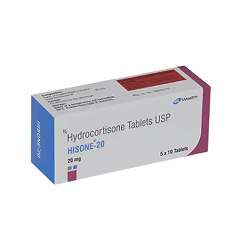
Patients with Addison’s disease often require fludrocortisone alongside a glucocorticoid such as hydrocortisone.
3. Salt-Wasting Congenital Adrenal Hyperplasia
Fludrocortisone may be used in patients with congenital adrenal hyperplasia who have impaired aldosterone production.
4. Mineralocorticoid Replacement Therapy
The medicine provides mineralocorticoid activity when endogenous aldosterone production is inadequate.
5. Sodium Balance Management
It helps reduce excessive renal sodium loss caused by mineralocorticoid deficiency.
6. Potassium Regulation
Fludrocortisone increases potassium excretion and may help correct hyperkalemia caused by aldosterone deficiency.
7. Blood Pressure Support in Adrenal Insufficiency
It helps maintain circulating blood volume and blood pressure in patients with mineralocorticoid deficiency.
8. Prevention of Salt Depletion
Appropriate mineralocorticoid replacement helps prevent chronic sodium depletion and associated symptoms.
9. Selected Orthostatic Hypotension Treatment
Fludrocortisone is sometimes prescribed off-label for selected patients with orthostatic hypotension.
It may increase blood volume and reduce symptoms in some patients, but it carries risks such as supine hypertension, edema and hypokalemia.
10. Long-Term Adrenal Hormone Replacement
Patients with permanent mineralocorticoid deficiency may require long-term or lifelong treatment.
Important: Fludrocortisone is generally not required for routine secondary adrenal insufficiency because aldosterone production is often preserved.
How to Take Fludrocortisone 100 mcg
Fludrocortisone should be taken exactly as prescribed.
General Administration Instructions
- Confirm that the prescribed medicine is fludrocortisone acetate.
- Verify the tablet strength of 100 mcg (0.1 mg).
- Take the tablet orally with water.
- Follow the prescribed dosing schedule.
- Take it at approximately the same time each day.
- It may be taken with food if stomach irritation occurs.
- Do not increase the dose without medical advice.
- Do not stop essential adrenal replacement treatment without medical guidance.
- Attend scheduled blood pressure assessments.
- Complete recommended sodium and potassium testing.
- Report new swelling of the feet or ankles.
- Inform the healthcare professional about persistent headaches or elevated blood pressure.
- Follow prescribed dietary salt recommendations.
- Inform the healthcare professional about other medicines and supplements.
- Continue prescribed glucocorticoid replacement when required.
- Follow an individualized adrenal insufficiency emergency plan if applicable.
Dosage Information
| Treatment Indication | General Dosage Guidance |
|---|---|
| Primary Adrenal Insufficiency | Commonly 0.05–0.2 mg Daily |
| Addison’s Disease | Individualized Mineralocorticoid Replacement |
| Salt-Wasting Congenital Adrenal Hyperplasia | Specialist-Directed Dosing |
| Orthostatic Hypotension | Off-Label; Specialist-Directed |
| Common Tablet Strength | 0.1 mg (100 mcg) |
| Administration Frequency | Often Once Daily |
| Pediatric Dosing | Individualized by Pediatric Endocrinologist |
| Dose Adjustment | Based on Blood Pressure, Electrolytes, Symptoms and Renin |
| Treatment Duration | Depends on Diagnosis |
| Medical Monitoring | Required |
Important: The appropriate dose depends on the medical condition, blood pressure, serum electrolytes, plasma renin and clinical response.
The tablet strength of 100 mcg does not mean every patient requires exactly one tablet daily.
Can Fludrocortisone Be Taken With Food?
Yes. It may be taken with or without food.
Taking it with food may help reduce stomach discomfort.
Can Fludrocortisone Be Taken in the Morning?
Yes. It is commonly taken in the morning when prescribed once daily.
Can Fludrocortisone Be Taken Every Day?
Yes. Patients requiring chronic mineralocorticoid replacement may need daily treatment.
Can Fludrocortisone Be Taken With Hydrocortisone?
Yes. Fludrocortisone and hydrocortisone are commonly prescribed together for primary adrenal insufficiency because they replace different adrenal hormone functions.
Can Fludrocortisone Be Stopped Suddenly?
Patients who require mineralocorticoid replacement should not discontinue it without medical guidance.
Stopping treatment may lead to sodium loss, dehydration, low blood pressure and electrolyte abnormalities.
What If a Dose Is Missed?
Take the missed dose when remembered unless it is nearly time for the next scheduled dose.
Do not double the dose.
Patients with adrenal insufficiency should follow their individualized treatment instructions.
What If Too Much Fludrocortisone Is Taken?
Seek medical advice.
Excessive fludrocortisone may cause high blood pressure, fluid retention, low potassium and other complications.
How Long Does Fludrocortisone 100 mcg Take to Work?
Fludrocortisone begins producing mineralocorticoid effects after administration.
During the First Several Days
Changes in sodium retention, fluid balance and potassium excretion may begin.
During the First Few Weeks
Blood pressure and symptoms related to mineralocorticoid deficiency may improve as the dose is optimized.
During Long-Term Treatment
Regular monitoring helps maintain appropriate mineralocorticoid replacement.
During Dose Adjustment
Healthcare professionals assess symptoms, blood pressure, electrolytes and sometimes plasma renin.
Important: Treatment response varies according to the underlying condition and individual clinical factors.
Common Side Effects
Possible side effects include:
- Fluid Retention
- Swelling of the Feet or Ankles
- Elevated Blood Pressure
- Headache
- Weight Gain From Fluid Retention
- Low Potassium
- Muscle Weakness
- Increased Sweating
- Nausea
- Stomach Discomfort
- Sleep Disturbances
- Mood Changes
The likelihood of adverse effects depends on the dose, duration and individual health conditions.
Serious Side Effects
Seek urgent medical attention if any of the following occur:
- Severe or Persistent Headache With High Blood Pressure
- Chest Pain
- Severe Shortness of Breath
- Rapid or Irregular Heartbeat
- Severe Muscle Weakness
- Confusion
- Severe Swelling
- Sudden Visual Changes
- Fainting or Collapse
- Severe Allergic Reactions
Important Serious Risks
1. Severe Hypertension
Excessive mineralocorticoid activity can cause significant blood pressure elevation.
2. Hypokalemia
Fludrocortisone may cause low potassium levels, potentially leading to muscle weakness and abnormal heart rhythms.
3. Fluid Overload
Excessive sodium and water retention may cause edema and worsen cardiovascular conditions.
4. Heart Failure Exacerbation
Patients with heart failure may experience worsening symptoms due to fluid retention.
5. Supine Hypertension
Patients receiving fludrocortisone for orthostatic hypotension may develop high blood pressure while lying down.
6. Electrolyte Imbalance
Excessive mineralocorticoid activity can disturb sodium and potassium balance.
7. Corticosteroid-Related Adverse Effects
Higher doses or prolonged excessive exposure may produce systemic corticosteroid effects.
8. Severe Allergic Reactions
Serious hypersensitivity reactions require immediate medical attention.
Contraindications & Precautions
1. Systemic Fungal Infections
Systemic corticosteroids are generally contraindicated in untreated systemic fungal infections unless a specific clinical exception applies.
2. Hypersensitivity
Patients with known serious hypersensitivity to fludrocortisone or formulation ingredients should avoid the medicine.
3. Hypertension
Blood pressure should be monitored carefully.
4. Heart Failure
Fludrocortisone may worsen fluid overload and heart failure.
5. Kidney Disease
Patients with renal impairment require individualized assessment.
6. Hypokalemia
Fludrocortisone may lower serum potassium and requires electrolyte monitoring.
7. Edema
Patients experiencing fluid retention or swelling may require dose reassessment.
8. Diabetes
Corticosteroid exposure may affect glucose metabolism, particularly at higher doses.
9. Osteoporosis
Long-term excessive corticosteroid exposure may increase bone health risks.
10. Liver Disease
Patients with significant liver disease require medical assessment.
11. Pregnancy
Fludrocortisone may be necessary during pregnancy for patients with adrenal insufficiency. Treatment requires specialist monitoring.
12. Breastfeeding
Use during breastfeeding should be discussed with a healthcare professional.
13. Children
Pediatric treatment requires specialist dosing and monitoring.
14. Older Adults
Older patients may be more vulnerable to hypertension, fluid retention and electrolyte disturbances.
15. Diuretic Medicines
Certain diuretics may increase potassium loss when combined with fludrocortisone.
16. Digoxin
Hypokalemia can increase the risk of digoxin-related toxicity.
17. Dietary Salt Intake
Salt recommendations should be individualized, particularly in patients with hypertension or heart failure.
18. Medical Monitoring
Healthcare professionals may monitor:
- Blood Pressure
- Standing Blood Pressure
- Supine Blood Pressure When Indicated
- Serum Sodium
- Serum Potassium
- Plasma Renin
- Body Weight
- Fluid Retention
- Peripheral Edema
- Kidney Function
- Heart Failure Symptoms
- Symptoms of Under-Replacement
- Symptoms of Over-Replacement
- Medication Adherence
- Drug Interactions
- Overall Clinical Condition
Potential Therapeutic Advantages
- Fludrocortisone 100 mcg Strength.
- Mineralocorticoid Replacement.
- Aldosterone Activity Replacement.
- Primary Adrenal Insufficiency Management.
- Addison’s Disease Treatment.
- Salt-Wasting Congenital Adrenal Hyperplasia Management.
- Sodium Retention Support.
- Potassium Regulation.
- Blood Pressure Maintenance.
- Circulating Blood Volume Support.
- Oral Tablet Formulation.
- Once-Daily Administration.
- Long-Term Hormone Replacement.
- Established Mineralocorticoid Therapy.
- Specialist-Directed Treatment.
Disadvantages / Limitations
- Fluid Retention.
- Elevated Blood Pressure.
- Peripheral Edema.
- Hypokalemia.
- Headache.
- Fluid-Related Weight Gain.
- Muscle Weakness.
- Electrolyte Disturbances.
- Heart Failure Exacerbation.
- Supine Hypertension.
- Drug Interactions.
- Requires Blood Pressure Monitoring.
- Requires Electrolyte Monitoring.
- Requires Individualized Dosing.
- Does Not Replace Glucocorticoid Therapy.
- Requires Medical Supervision.
Important Notes
Generic Name: Fludrocortisone.
Active Ingredient: Fludrocortisone Acetate.
Strength: 100 mcg (0.1 mg).
Drug Class: Synthetic Mineralocorticoid Corticosteroid.
Therapeutic Category: Adrenal Hormone Replacement.
Primary Uses: Primary Adrenal Insufficiency and Salt-Wasting Congenital Adrenal Hyperplasia.
Mechanism of Action: Mineralocorticoid Receptor Activation.
Route: Oral.
Dosage Form: Tablet.
Common Adult Dose Range: 0.05–0.2 mg Daily, Individualized.
Important Monitoring: Blood Pressure, Sodium, Potassium and Plasma Renin.
Major Risks: Hypertension, Fluid Retention and Hypokalemia.
Medical Supervision: Required.
Frequently Asked Questions
1. What is Fludrocortisone 100 mcg used for?
Fludrocortisone 100 mcg is primarily used to replace mineralocorticoid activity in patients with primary adrenal insufficiency and salt-wasting congenital adrenal hyperplasia.
2. Is fludrocortisone a steroid medicine?
Yes. Fludrocortisone is a synthetic corticosteroid with potent mineralocorticoid activity.
3. Is fludrocortisone the same as aldosterone?
No. Fludrocortisone is a synthetic medicine that mimics many of aldosterone’s mineralocorticoid effects.
4. Can fludrocortisone treat Addison’s disease?
Yes. It is commonly prescribed with glucocorticoid replacement in patients with Addison’s disease.
5. How does fludrocortisone work?
It increases sodium and water retention while promoting potassium excretion through the kidneys.
6. What is the usual adult dose?
For adrenal mineralocorticoid replacement, doses commonly fall within approximately 0.05–0.2 mg daily, depending on clinical requirements.
7. Is 100 mcg equal to 0.1 mg?
Yes. Fludrocortisone 100 micrograms equals 0.1 milligrams.
8. Can fludrocortisone be taken with food?
Yes. It may be taken with or without food.