





















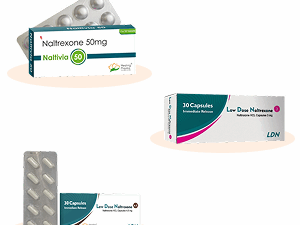







What Are Naltrexone & Bupropion Tablets?
Naltrexone & Bupropion Tablets contain two active ingredients that act on pathways involved in appetite regulation and food-related reward.
The combination is used as an adjunct to a reduced-calorie diet and increased physical activity for chronic weight management in eligible adults.
Naltrexone is an opioid receptor antagonist.
Bupropion is an aminoketone antidepressant that affects norepinephrine and dopamine signaling.
When combined in an extended-release formulation, these medicines influence central nervous system pathways involved in hunger, appetite and food-related motivation.
The combination is intended for adults who meet specific body mass index (BMI) criteria.
Under US labeling, treatment is indicated for adults with an initial BMI of:
- 30 kg/m² or greater, indicating obesity.
- 27 kg/m² or greater, indicating overweight, with at least one weight-related condition such as hypertension, type 2 diabetes or dyslipidemia.
Naltrexone and bupropion should be used alongside dietary changes, physical activity and ongoing medical monitoring.
The medicine is not intended for cosmetic weight loss or unrestricted use by individuals with a normal BMI.
Important: The combination carries a boxed warning about suicidal thoughts and behaviors associated with antidepressant medicines. It also has important contraindications involving seizures, uncontrolled hypertension, opioid use and certain eating disorders.
How Do Naltrexone & Bupropion Work?
1. Influence Appetite-Regulating Pathways
The combination acts on central nervous system pathways involved in food intake and appetite regulation.
2. Stimulate POMC Neurons
Bupropion stimulates pro-opiomelanocortin (POMC) neurons in the hypothalamus.
These neurons contribute to appetite and energy-balance signaling.
3. Promote Appetite Suppression
Activation of POMC-related pathways may contribute to reduced food intake.
4. Reduce Opioid-Mediated Feedback
Naltrexone blocks opioid receptors and may reduce inhibitory feedback on POMC neurons.
5. Influence Food-Reward Pathways
The combination is believed to affect pathways involved in the rewarding properties of food.
6. Support Reduced Calorie Intake
Changes in appetite and eating behavior may help patients follow a reduced-calorie diet.
7. Support Long-Term Weight Management
When combined with lifestyle modification, treatment may produce clinically meaningful weight reduction in selected patients.
8. Help Maintain Weight-Management Efforts
Ongoing treatment may support weight-management goals when the medicine is effective and well tolerated.
Important: The precise neurochemical mechanisms responsible for the combination’s weight-loss effects are not fully understood.
Uses of Naltrexone & Bupropion
1. Chronic Weight Management
Naltrexone and bupropion extended-release tablets are prescribed for long-term weight management in eligible adults.
2. Obesity Management
The combination may be used in adults with obesity when clinically appropriate.
3. Overweight With Weight-Related Conditions
Treatment may be considered in adults who are overweight and have qualifying weight-related medical conditions.
4. Appetite Regulation
The medicine influences pathways involved in appetite and food intake.
5. Reduced-Calorie Diet Support
It may help selected patients adhere to a structured reduced-calorie dietary program.
6. Weight-Management Treatment With Exercise
The medicine is used alongside increased physical activity.
7. Management of Weight-Related Health Risks
Weight reduction may improve certain obesity-associated health indicators, although the medicine is not approved specifically to prevent cardiovascular events.
8. Comprehensive Obesity Treatment
Naltrexone and bupropion may be included in an individualized obesity-management plan involving nutrition, physical activity and behavioral support.
Important: This fixed-dose combination is not approved as a treatment for depression, alcohol dependence, opioid dependence or smoking cessation, even though its individual ingredients have separate therapeutic uses.
It is also not approved for treating eating disorders.
How to Take Naltrexone & Bupropion Tablets
Naltrexone and bupropion extended-release tablets should be taken exactly as prescribed.
General Administration Instructions
- Confirm the active ingredients and strength on the packaging.
- Follow the prescribed dose-titration schedule.
- Swallow extended-release tablets whole with water.
- Do not crush, chew or divide the tablets.
- Avoid taking the tablets with high-fat meals.
- Do not exceed the prescribed maximum dose.
- Follow a reduced-calorie diet.
- Maintain an appropriate physical activity program.
- Monitor blood pressure and pulse as directed.
- Inform the healthcare professional about any history of seizures.
- Disclose all opioid-containing medicines.
- Report significant mood or behavioral changes.
- Attend scheduled weight-management assessments.
- Do not combine the medicine with other bupropion-containing products.
- Follow the clinician’s instructions regarding continuation or discontinuation.
Dosage Information
The following is the commonly approved US titration schedule for 8 mg naltrexone HCl / 90 mg bupropion HCl extended-release tablets.
| Treatment Week | Morning Dose | Evening Dose |
|---|---|---|
| Week 1 | 1 Tablet | None |
| Week 2 | 1 Tablet | 1 Tablet |
| Week 3 | 2 Tablets | 1 Tablet |
| Week 4 and Thereafter | 2 Tablets | 2 Tablets |
Usual Maintenance Dose: 2 tablets twice daily, providing a total daily dose of naltrexone hydrochloride 32 mg and bupropion hydrochloride 360 mg.
Maximum Recommended Daily Dose: Four tablets of the specified 8 mg / 90 mg extended-release formulation.
Important: This schedule must not be applied to other tablet strengths or formulations.
Special Dosage Considerations
| Patient Condition | General Guidance |
|---|---|
| Renal Impairment | Lower Maximum Dose May Be Required |
| Hepatic Impairment | Lower Maximum Dose May Be Required |
| CYP2B6 Inhibitor Use | Dose Limitation May Be Required |
| Opioid Use | Contraindicated During Chronic Opioid Treatment |
| Seizure Disorder | Contraindicated |
| Uncontrolled Hypertension | Contraindicated |
| Pregnancy | Discontinue When Pregnancy Is Recognized |
| Treatment Response | Assess After 12 Weeks at Maintenance Dose |
Under US labeling, treatment should be discontinued if the patient has not lost at least 5% of baseline body weight after 12 weeks on the maintenance dose, because meaningful sustained benefit is unlikely.
Can Naltrexone & Bupropion Be Taken With Food?
The medicine may be taken with food, but high-fat meals should be avoided because they can increase drug exposure and the risk of adverse effects.
Can the Tablets Be Crushed?
No. Extended-release tablets should be swallowed whole.
Can the Medicine Be Taken Every Day?
Yes, when prescribed. The commonly approved formulation is used daily according to a gradual titration schedule.
What If a Dose Is Missed?
Skip the missed dose and take the next scheduled dose at the usual time.
Do not take an additional dose to make up for the missed tablet.
What If Too Much Is Taken?
Seek urgent medical attention.
Excessive bupropion exposure can cause seizures, heart rhythm disturbances and other serious effects.
How Long Do Naltrexone & Bupropion Take to Work?
The combination begins affecting relevant central nervous system pathways after administration.
However, meaningful weight-management outcomes develop gradually.
During the First Week
Treatment generally begins with a lower dose to improve tolerability.
During Weeks 2–4
The dose is gradually increased according to the prescribed schedule.
During the First Several Weeks
Some patients may notice changes in appetite or food-related behaviors.
During the First Few Months
Body weight and treatment tolerability are assessed.
After 12 Weeks at Maintenance Dose
The healthcare professional evaluates whether the patient has achieved sufficient weight reduction to justify continuing treatment.
Important: Individual weight-loss results vary. The medicine does not guarantee a specific amount of weight reduction.
Common Side Effects
Possible side effects include:
- Nausea
- Constipation
- Headache
- Vomiting
- Dizziness
- Insomnia
- Dry Mouth
- Diarrhea
- Anxiety
- Abdominal Pain
- Increased Sweating
- Tremor
- Changes in Taste
- Fatigue
- Increased Heart Rate
Nausea is among the most frequently reported adverse effects.
Serious Side Effects
Seek urgent medical attention if any of the following occur:
- Seizures
- Suicidal Thoughts or Behaviors
- Severe Mood Changes
- Severe Allergic Reactions
- Markedly Elevated Blood Pressure
- Severe Headache With Neurological Symptoms
- Hallucinations or Psychosis
- Severe Eye Pain or Sudden Vision Changes
- Symptoms of Liver Injury
- Severe Opioid Withdrawal
- Suspected Opioid Overdose
Important Serious Risks
1. Suicidal Thoughts and Behaviors
Bupropion-containing medicines carry a boxed warning concerning suicidal thoughts and behaviors, particularly in children, adolescents and young adults.
The combination is not approved for pediatric use.
2. Seizures
Bupropion can cause dose-related seizures.
The risk increases with certain medical conditions, medicines and excessive dosing.
3. Elevated Blood Pressure and Heart Rate
Treatment may increase blood pressure and pulse.
4. Neuropsychiatric Reactions
Agitation, mood changes, mania, hallucinations and other psychiatric effects may occur.
5. Opioid Withdrawal
Naltrexone can trigger severe withdrawal if started in a person who remains physically dependent on opioids.
6. Opioid Overdose Risk
Attempting to overcome opioid receptor blockade with large opioid doses can cause life-threatening overdose.
Opioid tolerance may also decrease during treatment.
7. Liver Injury
Naltrexone-containing treatment may be associated with liver injury.
8. Angle-Closure Glaucoma
Bupropion may trigger angle-closure glaucoma in susceptible individuals.
9. Severe Allergic Reactions
Serious hypersensitivity reactions require immediate medical attention.
10. Hypoglycemia in Patients With Diabetes
Weight loss and reduced food intake may increase hypoglycemia risk in patients using insulin or insulin secretagogues.
Contraindications & Precautions
1. Uncontrolled Hypertension
The combination is contraindicated in patients with uncontrolled high blood pressure.
2. Seizure Disorders
Patients with a seizure disorder must not use this medicine.
3. Anorexia Nervosa or Bulimia
The medicine is contraindicated in patients with a current or previous diagnosis of anorexia nervosa or bulimia.
4. Chronic Opioid Use
Patients taking chronic opioid analgesics or opioid agonists should not use the combination.
5. Acute Opioid Withdrawal
The medicine must not be started during acute opioid withdrawal.
6. Other Bupropion Products
Concurrent use with other bupropion-containing medicines is contraindicated.
7. Abrupt Withdrawal From Alcohol or Sedatives
The medicine is contraindicated in patients undergoing abrupt discontinuation of alcohol, benzodiazepines, barbiturates or antiepileptic medicines.
8. Monoamine Oxidase Inhibitors
Use with MAO inhibitors, or within the required separation interval, is contraindicated.
9. Pregnancy
Weight-loss treatment provides no benefit during pregnancy and may cause fetal harm. Treatment should be discontinued when pregnancy is recognized.
10. Breastfeeding
The combination is generally not recommended during breastfeeding because the active ingredients can enter breast milk.
11. Liver Impairment
Dose limitations and careful monitoring may be necessary.
12. Kidney Impairment
Patients with moderate or severe renal impairment require dose limitations.
13. Diabetes
Blood glucose and hypoglycemia risk should be monitored, particularly in patients receiving insulin or sulfonylureas.
14. Cardiovascular Disease
Patients with cardiovascular conditions require individualized assessment.
15. Bipolar Disorder
Bupropion may precipitate mania or hypomania in susceptible patients.
16. Suicidal Thoughts
Patients should be monitored for new or worsening suicidal thinking and unusual behavioral changes.
17. Drug Interactions
Potential interactions include medicines that lower the seizure threshold, CYP2D6 substrates, CYP2B6 inhibitors or inducers and opioid-containing medicines.
18. Medical Monitoring
Healthcare professionals may monitor:
- Body Weight
- Body Mass Index
- Weight-Loss Response
- Blood Pressure
- Heart Rate
- Seizure Risk
- Mood and Behavioral Changes
- Suicidal Thoughts
- Sleep Disturbances
- Gastrointestinal Tolerability
- Liver Function When Indicated
- Kidney Function
- Blood Glucose in Patients With Diabetes
- Medication Adherence
- Drug Interactions
- Opioid Exposure
- Dietary and Physical Activity Progress
- Overall Treatment Safety
Potential Therapeutic Advantages
- Dual-Ingredient Weight-Management Therapy.
- Naltrexone and Bupropion Combination.
- Appetite-Regulating Pathway Modulation.
- Food-Reward Pathway Effects.
- Chronic Weight Management.
- Obesity Treatment.
- Overweight Management With Comorbidities.
- Reduced-Calorie Diet Support.
- Physical Activity Program Support.
- Extended-Release Formulation.
- Gradual Dose Titration.
- Established Prescription Weight-Management Option.
- Structured Treatment Response Assessment.
- Long-Term Weight-Management Support.
Disadvantages / Limitations
- Nausea.
- Constipation.
- Headache.
- Vomiting.
- Dizziness.
- Insomnia.
- Dry Mouth.
- Anxiety.
- Increased Blood Pressure.
- Increased Heart Rate.
- Seizure Risk.
- Suicidal Thoughts Warning.
- Opioid Interaction Risk.
- Opioid Withdrawal Risk.
- Liver Injury Risk.
- Pregnancy Contraindication.
- Multiple Drug Interactions.
- Requires Gradual Dose Titration.
- Requires Medical Monitoring.
- Variable Weight-Loss Response.
Important Notes
Generic Names: Naltrexone Hydrochloride and Bupropion Hydrochloride.
Common Approved Strength: 8 mg / 90 mg per extended-release tablet.
Drug Class: Opioid Antagonist + Aminoketone Antidepressant.
Therapeutic Category: Prescription Weight Management.
Primary Use: Chronic Weight Management in Eligible Adults.
Mechanism: Effects on Appetite-Regulating and Reward-Related Pathways.
Route: Oral.
Dosage Form: Extended-Release Tablet.
Administration: Swallow Whole; Avoid High-Fat Meals.
Maintenance Dose: Product-Specific, Following Gradual Titration.
Major Warning: Suicidal Thoughts and Behaviors.
Major Risks: Seizures, Hypertension, Opioid Withdrawal and Drug Interactions.
Medical Supervision: Required.
Frequently Asked Questions
1. What are Naltrexone & Bupropion Tablets used for?
They are used for chronic weight management in eligible adults alongside a reduced-calorie diet and increased physical activity.
2. Is naltrexone and bupropion a weight-loss medicine?
Yes. The approved extended-release combination is a prescription weight-management medicine.
3. How does the combination work?
It affects central nervous system pathways involved in appetite regulation and food-related reward.
4. Is this medicine the same as Contrave?
Contrave is a reference brand containing naltrexone hydrochloride 8 mg and bupropion hydrochloride 90 mg in an extended-release tablet. Other products must be verified for composition and formulation.
5. Can naltrexone and bupropion reduce appetite?
It may help reduce appetite and food intake in appropriately selected patients.
6. Can it be used for obesity?
Yes. It may be prescribed to eligible adults with obesity.
7. Can it be used for overweight patients?
Yes, when the patient meets the relevant BMI criteria and has a qualifying weight-related medical condition.


