
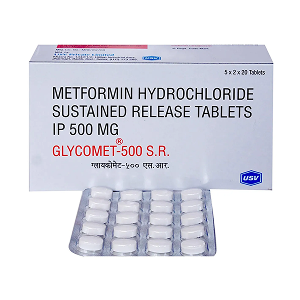



Metformin Hydrochloride 500 mg is a commonly prescribed oral medication used primarily to manage type 2 diabetes mellitus. It belongs to a class of drugs known as biguanides and helps control blood sugar levels.
Key Uses
- Type 2 Diabetes: Improves blood sugar control in people whose diabetes is not well-managed with diet and exercise alone.
- Sometimes used off-label for:
- Polycystic Ovary Syndrome (PCOS)
- Prediabetes
- Weight management in insulin-resistant individuals
How It Works
Metformin:
- Reduces glucose production in the liver
- Increases insulin sensitivity
- Improves glucose uptake by muscles
- Decreases sugar absorption from the intestines
Dosage
- Usually starts with 500 mg once or twice daily, taken with meals to reduce stomach upset.
- The dose may be increased slowly (weekly or biweekly) based on response and tolerance.
- Maximum dose: 2000–2550 mg/day, depending on formulation.
Common Side Effects
- Nausea
- Diarrhea
- Bloating or gas
- Metallic taste in mouth
- Loss of appetite
These usually improve after a few days or weeks.
Serious (but rare) Side Effects
- Lactic Acidosis (a medical emergency): Symptoms include muscle pain, difficulty breathing, unusual tiredness, or feeling cold.
- Vitamin B12 deficiency (with long-term use)
Who Should Avoid Metformin
- People with severe kidney disease
- Those with liver problems
- People with severe infections or conditions causing hypoxia
- Avoid temporarily before and after contrast dye (CT scan) procedures
Tips
- Always take with food to minimize stomach upset.
- Stay hydrated to help kidney function.
- Routine monitoring of blood sugar, kidney function, and B12 levels is recommended.


Reviews
There are no reviews yet.