














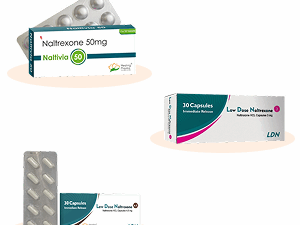




What Is Naltrexone 50 mg?
Naltrexone 50 mg Tablets contain naltrexone hydrochloride, an opioid receptor antagonist used as part of comprehensive treatment programs for alcohol use disorder and opioid dependence.
Naltrexone works by blocking opioid receptors in the central nervous system.
These receptors are involved in the effects of opioid substances and in certain brain reward pathways.
In patients receiving treatment for alcohol use disorder, naltrexone can help reduce alcohol-related reinforcement, cravings and the likelihood of returning to heavy drinking.
For opioid dependence, naltrexone blocks the effects of opioids after a patient has completed withdrawal and is no longer physically dependent.
This can help reduce the reinforcing effects of opioid use and support relapse-prevention treatment.
Unlike methadone and buprenorphine, naltrexone does not activate opioid receptors.
Therefore, it does not replace opioids or directly relieve opioid withdrawal symptoms.
Naltrexone is generally prescribed as part of a broader treatment program that may include counseling, behavioral therapy, psychosocial support and regular medical follow-up.
For many adults, the commonly used oral maintenance dose is 50 mg once daily.
However, the starting dose and treatment schedule depend on the indication, opioid-free status, liver function and other clinical factors.
How Does Naltrexone 50 mg Work?
1. Blocks Opioid Receptors
Naltrexone binds to opioid receptors in the central nervous system.
2. Acts as an Opioid Antagonist
It prevents opioid agonists from activating these receptors.
3. Reduces Opioid Rewarding Effects
By blocking opioid receptors, naltrexone reduces or prevents the euphoric and reinforcing effects of opioids.
4. Influences Alcohol-Related Reward Pathways
Endogenous opioid signaling contributes to some of alcohol’s rewarding effects.
Naltrexone interferes with these pathways.
5. Helps Reduce Heavy Drinking
In appropriately selected patients, naltrexone can reduce the likelihood of heavy drinking episodes.
6. Supports Relapse Prevention
Naltrexone may help patients maintain recovery when combined with behavioral and psychosocial treatment.
7. Does Not Activate Opioid Receptors
Unlike opioid agonist medications, naltrexone does not produce opioid-like effects.
8. Provides Sustained Receptor Blockade
Regular dosing helps maintain opioid receptor antagonism throughout treatment.
Important: Naltrexone does not eliminate all cravings, guarantee abstinence or replace counseling and other addiction-treatment services.
Uses of Naltrexone 50 mg
1. Alcohol Use Disorder
Naltrexone is used as part of treatment for alcohol use disorder.
It can help reduce heavy drinking and support recovery.
2. Alcohol Dependence Treatment
Naltrexone may be prescribed to patients with alcohol dependence as part of a structured treatment program.
3. Reduction of Heavy Drinking Episodes
Clinical evidence supports its use in reducing heavy drinking in selected patients.
4. Alcohol Relapse Prevention
Naltrexone may help reduce the risk of returning to problematic alcohol consumption.
5. Opioid Dependence Relapse Prevention
Naltrexone is used to help prevent relapse to opioid dependence after the patient has completed opioid withdrawal.
6. Opioid Receptor Blockade
It blocks the effects of opioid agonists, reducing their reinforcing effects.
7. Support After Opioid Detoxification
Naltrexone may be introduced after a patient has successfully completed opioid detoxification and is confirmed to be opioid-free.
8. Comprehensive Addiction Treatment
Naltrexone is used alongside counseling, behavioral interventions and medical supervision.
9. Selected Off-Label Uses
Naltrexone has been studied for additional conditions, but evidence and recommended doses vary.
These uses should not be presented as established indications without appropriate clinical support.
Important: Standard-dose naltrexone 50 mg is not the same as low-dose naltrexone (LDN), which is an off-label approach using much smaller doses.
Low-dose naltrexone is not an established treatment for autoimmune disease, chronic pain, cancer or other conditions simply because it has been investigated for those purposes.
How to Take Naltrexone 50 mg
Naltrexone must be taken exactly as prescribed.
General Administration Instructions
- Confirm the prescribed dose and treatment indication.
- Inform the healthcare professional about all current and recent opioid use.
- Complete the required opioid-free period before starting treatment.
- Undergo medical assessment for possible opioid dependence.
- Complete recommended liver function testing.
- Take the tablet orally with water.
- Take the medicine with or without food.
- Take it at approximately the same time each day if prescribed once daily.
- Do not increase the dose without medical advice.
- Do not attempt to overcome opioid receptor blockade by taking larger opioid doses.
- Attend scheduled treatment and counseling appointments.
- Inform healthcare professionals that you are taking naltrexone.
- Seek medical advice before taking opioid-containing pain medicines or cough preparations.
- Follow the prescribed treatment plan consistently.
Dosage Information
| Treatment Indication | General Dosage Guidance |
|---|---|
| Alcohol Dependence | Commonly 50 mg Once Daily |
| Opioid Dependence Relapse Prevention | Commonly 50 mg Once Daily After Confirmed Detoxification |
| Initial Dose | May Be Adjusted by the Prescriber |
| Administration | With or Without Food |
| Treatment Duration | Individualized |
| Opioid-Free Period | Generally at Least 7–10 Days After Short-Acting Opioids |
| Buprenorphine or Methadone Transition | May Require a Longer Opioid-Free Interval, Often Up to 14 Days |
| Liver Disease | Requires Careful Assessment |
| Kidney Impairment | Use With Caution |
| Missed Dose | Follow Prescribing Instructions |
| Dose Adjustment | Only Under Medical Supervision |
Important: These are general prescribing principles, not a self-treatment regimen.
Patients transitioning from methadone, buprenorphine or other opioids may require specialist-supervised withdrawal assessment and additional precautions.
Can Naltrexone Be Taken With Food?
Yes. Naltrexone may be taken with or without food.
Taking it with food may help reduce nausea in some patients.
Can Naltrexone Be Taken Daily?
Yes. Oral naltrexone is commonly prescribed once daily.
Can Naltrexone Be Started Immediately After Opioid Use?
No.
Starting naltrexone while opioids remain active or while physical dependence persists can trigger severe precipitated withdrawal.
Can Naltrexone Be Taken With Opioid Painkillers?
Naltrexone generally should not be combined with opioid medicines.
It can block opioid pain relief and create significant safety risks.
What If a Dose Is Missed?
Take the missed dose when remembered unless it is nearly time for the next scheduled dose.
Do not double the dose.
What If Too Much Naltrexone Is Taken?
Seek medical advice promptly.
Overdose management generally involves clinical assessment and supportive treatment.
How Long Does Naltrexone 50 mg Take to Work?
Naltrexone begins blocking opioid receptors after oral administration.
During the First Several Hours
Opioid receptor antagonism develops.
During the First Several Days
Patients may begin noticing changes in alcohol-related cravings or drinking behavior.
During the First Few Weeks
Treatment response may become more apparent with consistent use and psychosocial support.
During Long-Term Treatment
The healthcare professional evaluates drinking patterns, opioid abstinence, adverse effects and treatment adherence.
Important: Naltrexone does not produce immediate recovery from addiction, and individual responses vary.
Common Side Effects
Possible side effects include:
- Nausea
- Headache
- Dizziness
- Fatigue
- Difficulty Sleeping
- Anxiety
- Abdominal Pain
- Vomiting
- Reduced Appetite
- Muscle Pain
- Joint Pain
- Restlessness
- Nervousness
- Diarrhea
- Sleep Disturbances
Not every patient experiences these effects.
Serious Side Effects
Seek urgent medical attention if any of the following occur:
- Severe Allergic Reactions
- Difficulty Breathing
- Swelling of the Face or Throat
- Severe Abdominal Pain
- Persistent Vomiting
- Yellowing of the Skin or Eyes
- Dark Urine With Other Signs of Liver Injury
- Severe Depression or Suicidal Thoughts
- Severe Opioid Withdrawal Symptoms
- Loss of Consciousness
- Suspected Opioid Overdose
Important Serious Risks
1. Precipitated Opioid Withdrawal
Naltrexone can cause sudden, severe withdrawal when given to an opioid-dependent patient.
Symptoms may include vomiting, diarrhea, sweating, abdominal cramps, agitation and significant fluid loss.
2. Liver Injury
Naltrexone can cause liver injury, particularly with excessive exposure or in susceptible patients.
3. Opioid Overdose After Treatment
Opioid tolerance may decrease during naltrexone treatment.
Patients who return to previously tolerated opioid doses may experience life-threatening overdose.
4. Attempts to Override Opioid Blockade
Taking large amounts of opioids to overcome naltrexone blockade can cause fatal respiratory depression.
5. Depression and Suicidal Thoughts
Patients receiving treatment for alcohol or opioid dependence should be monitored for depression and suicidal thinking.
6. Severe Allergic Reactions
Serious hypersensitivity reactions require immediate medical attention.
7. Dehydration During Precipitated Withdrawal
Severe vomiting and diarrhea can lead to significant dehydration and electrolyte disturbances.
8. Inadequate Pain Control
Naltrexone can interfere with opioid pain medicines, complicating emergency and postoperative pain management.
Contraindications & Precautions
1. Current Opioid Use
Naltrexone must not be started in patients currently receiving opioid analgesics or other opioid agonists.
2. Current Opioid Dependence
Patients who remain physically dependent on opioids should not begin naltrexone.
3. Acute Opioid Withdrawal
Naltrexone is contraindicated during acute opioid withdrawal.
4. Positive Opioid Screening or Failed Naloxone Challenge
Patients with evidence of ongoing opioid exposure or dependence require further assessment before treatment.
5. Hypersensitivity
Patients with serious hypersensitivity to naltrexone or formulation ingredients should avoid the medicine.
6. Acute Hepatitis or Liver Failure
Oral naltrexone labeling identifies acute hepatitis or liver failure as contraindications.
7. Other Liver Disease
Patients with liver disease require careful clinical assessment and monitoring.
8. Kidney Impairment
Naltrexone and its metabolites are eliminated partly through the kidneys, so caution is appropriate in renal impairment.
9. Pregnancy
Use during pregnancy requires individualized assessment of benefits and risks.
10. Breastfeeding
Naltrexone use during breastfeeding should be discussed with a healthcare professional.
11. Opioid Pain Medicines
Naltrexone can block the analgesic effects of opioid medicines.
12. Emergency Surgery
Patients should inform healthcare professionals about naltrexone treatment before surgery or emergency care.
13. Opioid Overdose Risk
Patients remain vulnerable to overdose if they attempt to override blockade or return to opioid use after treatment.
14. Depression
Patients should be monitored for depression and suicidal thoughts.
15. Alcohol Withdrawal
Naltrexone does not treat potentially dangerous acute alcohol withdrawal.
Patients at risk of severe withdrawal may need medically supervised withdrawal management.
16. Medication Interactions
Patients should disclose all prescription medicines, over-the-counter products and supplements.
17. Treatment Adherence
Regular treatment and follow-up are important for achieving the intended benefits.
18. Medical Monitoring
Healthcare professionals may monitor:
- Alcohol Consumption
- Heavy Drinking Episodes
- Opioid Abstinence
- Opioid Withdrawal Risk
- Liver Function
- Kidney Function When Indicated
- Medication Adherence
- Nausea and Gastrointestinal Symptoms
- Mood Changes
- Depression
- Suicidal Thoughts
- Treatment Response
- Opioid Overdose Risk
- Drug Interactions
- Counseling Participation
- Overall Recovery Progress
Potential Therapeutic Advantages
- Naltrexone 50 mg Strength.
- Opioid Receptor Antagonism.
- Alcohol Use Disorder Treatment.
- Alcohol Dependence Management.
- Heavy Drinking Reduction.
- Alcohol Relapse Prevention.
- Opioid Dependence Relapse Prevention.
- Opioid Reward Blockade.
- Post-Detoxification Treatment.
- Oral Tablet Formulation.
- Once-Daily Administration.
- Non-Opioid Medication.
- Comprehensive Addiction Treatment Support.
- Established Relapse-Prevention Therapy.
- Prescription Medical Supervision.
Disadvantages / Limitations
- Nausea.
- Headache.
- Dizziness.
- Fatigue.
- Insomnia.
- Anxiety.
- Abdominal Pain.
- Vomiting.
- Reduced Appetite.
- Liver Injury Risk.
- Precipitated Opioid Withdrawal.
- Opioid Overdose Risk.
- Opioid Painkiller Interference.
- Requires Opioid-Free Status.
- Requires Treatment Adherence.
- Requires Medical Monitoring.
- Does Not Treat Acute Opioid Withdrawal.
- Does Not Replace Counseling.
Important Notes
Generic Name: Naltrexone.
Strength: 50 mg.
Active Ingredient: Naltrexone Hydrochloride.
Drug Class: Opioid Receptor Antagonist.
Therapeutic Category: Alcohol Dependence / Opioid Dependence Treatment.
Primary Uses: Alcohol Use Disorder and Opioid Relapse Prevention After Detoxification.
Mechanism of Action: Opioid Receptor Blockade.
Route: Oral.
Dosage Form: Tablet.
Common Maintenance Dose: 50 mg Once Daily.
Important Requirement: Confirmed Opioid-Free Status Before Initiation.
Major Risks: Precipitated Opioid Withdrawal, Liver Injury and Opioid Overdose.
Medical Supervision: Required.
Frequently Asked Questions
1. What is Naltrexone 50 mg used for?
Naltrexone 50 mg is used in the treatment of alcohol dependence and to help prevent relapse to opioid dependence after detoxification.
2. Is naltrexone an opioid medicine?
No. Naltrexone is an opioid receptor antagonist.
3. How does naltrexone work?
It blocks opioid receptors and interferes with the rewarding effects of opioids and certain alcohol-related reward pathways.
4. Can naltrexone help reduce alcohol cravings?
Yes. It may reduce alcohol cravings and heavy drinking in appropriately selected patients.
5. Can naltrexone help prevent alcohol relapse?
Yes. It can support relapse prevention as part of comprehensive treatment.
6. Can naltrexone treat opioid dependence?
Yes, after opioid detoxification, it may help prevent relapse by blocking opioid effects.


